
Overview
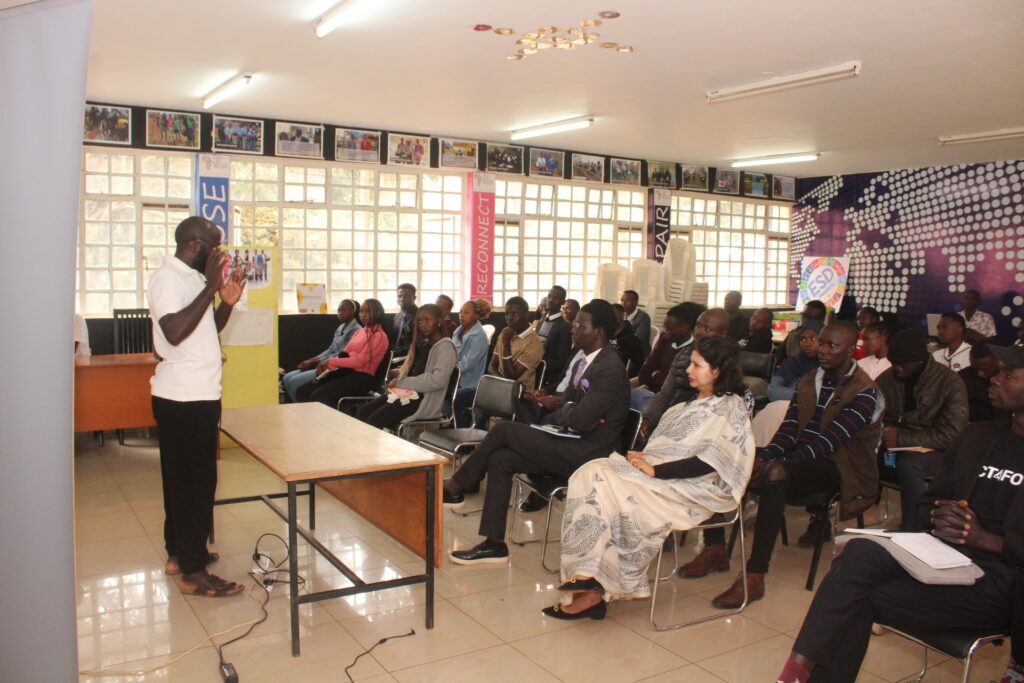
Greenloop delivered two AgriFood Leadership Bootcamps designed to equip young innovators, early-stage entrepreneurs, farmers, and community-based practitioners with the skills, tools, and networks needed to lead transformation across Kenya’s agrifood system.
The bootcamps strengthened capacity in agriculture, nutrition and community health, climate resilience, innovation, and digital tools—ensuring participants could translate knowledge into action in their communities.
Objectives
The bootcamps were designed to:
- Build leadership and practical problem-solving capacity in the agrifood sector.
- Strengthen understanding of nutrition-sensitive agriculture and community health linkages.
- Equip youth with innovation, digitalization, and entrepreneurship skills.
- Promote climate-smart practices and adaptive strategies for farmers and agri-preneurs.
- Accelerate early ideas into actionable, community-ready solutions.
Participants
Across the two bootcamps, we engaged:
- 120+ youth and young professionals from agriculture, food systems, and community health.
- Emerging agritech and foodtech innovators.
- Farmers, CHVs, and local agribusiness practitioners.
- University students and recent graduates.
Participants represented a diverse mix of counties, reflecting Kenya’s rural, peri-urban, and agrifood ecosystems.
Key Focus Areas
a. Leadership & Systems Thinking
- Understanding the agrifood value chain end-to-end
- Linking agriculture, nutrition, and community health
- Decision-making for environmental and climate stresses
b. Innovation, Youth & Digitalization
- Intro to agtech & foodtech
- Digital advisory tools for farmers and health promoters
- Data-driven nutrition screening and surveillance
- Human-centered design of locally fit solutions
c. Agribusiness & Entrepreneurship
- Business modeling for agrifood ventures
- Go-to-market strategies
- Funding pathways and accelerator readiness
Climate, Nutrition & Community Health
- Climate resilience and pollution exposure awareness
- Maternal and child nutrition dynamics
- Community health integration with agriculture
- Farm workload, safety, and food quality impacts
Activities Conducted
- Practical design sprints to refine participant innovations
- Mentorship clinics with experts from agribusiness, health, and technology
- Nutrition and environmental exposure demonstrations
- Peer learning circles and farmer storytelling sessions
- Pitch sessions where youth presented solutions to a panel
Outcomes & Impact
Individual-Level Impact
- 120+ young leaders trained in systems-based agrifood transformation
- Increased confidence and capability in leadership, innovation and digital tools
- 30 early-stage ideas strengthened or validated
- Participants demonstrated improved understanding of community nutrition and climate-health linkages
Community-Level Impact
- Several participants initiated:
- nutrition education activities in their communities
- climate-smart farm demonstrations
- digital advisory prototype testing with farmers
- Strengthened local networks between farmers, CHVs, youth, and innovators
Ecosystem-Level Impact
- Established an emerging pipeline for agri-food innovations
- Built partnerships with universities, county stakeholders, and tech hubs
- Created a foundation for future youth accelerator programs
Lessons Learned
- Youth are highly eager but require continued structured mentorship and market exposure
- Digital tools are valuable only when paired with community-level support
- Nutrition and health integration increases adoption of agricultural practices
- Climate and pollution awareness remains a major knowledge gap for young farmers and innovators
- Participants benefit from hands-on, problem-based learning rather than theory-heavy sessions
Next Steps
- Launch an AgriFood Innovation Accelerator for top-performing participants
- Introduce county-based farmer and CHV digital advisory pilots
- Expand the bootcamp into an annual AgriFood Leadership Fellowship
- Strengthen partnerships with private sector for internships and funding
- Integrate MamaAir and other data-driven tools into field demonstrations

